
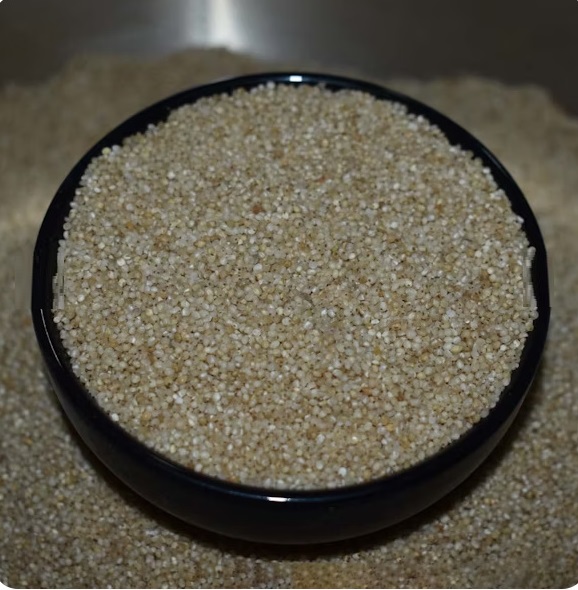
Little Millet
Little Millets: A Nutrient-Dense, Gluten-Free Superfood for Better Health
Introduction
As the world turns toward healthier and more sustainable food options, traditional grains like millets have made a remarkable comeback. Among them, little millet stands out due to its impressive nutrient profile, easy digestibility, and versatility in the kitchen. Though small in size, little millet packs a powerful punch when it comes to health benefits, making it an ideal addition to modern diets. In this article, we’ll dive deep into what little millet is, its nutritional benefits, and how you can incorporate it into your meals to enjoy its wholesome goodness.
What is Little Millet?
Little millet (Panicum sumatrense), known as “kutki” in Hindi, is a traditional cereal grain that belongs to the millet family. It is one of the smallest millet varieties, grown primarily in India and parts of Asia. Known for its slightly nutty flavor and rice-like texture, little millet has been a staple food in rural communities for centuries. With the recent focus on gluten-free, high-fiber grains, little millet is gaining popularity worldwide as a superfood.
Nutritional Profile of Little Millet
Little millet is a nutritional powerhouse, providing a range of essential vitamins, minerals, and other health-boosting compounds. Here’s what makes little millet a great choice:
- High Fiber Content: Little millet is an excellent source of dietary fiber, which aids digestion and helps maintain a healthy gut.
- Rich in Protein: With around 9-11% protein, little millet is a good plant-based protein source, ideal for vegetarians and vegans.
- Low Glycemic Index: The low glycemic index of little millet makes it suitable for diabetics, as it prevents blood sugar spikes.
- Essential Vitamins and Minerals: It’s packed with B vitamins (especially niacin and B6), iron, magnesium, zinc, and calcium, all of which contribute to overall well-being.
- Antioxidants: Little millet contains phenolic compounds and antioxidants, which protect against cellular damage and support the immune system.
Health Benefits of Little Millet
The unique nutrient profile of little millet provides numerous health benefits. Let’s explore some of the most compelling reasons to add little millet to your diet:
1. Supports Weight Loss
Little millet is low in calories and high in fiber, which keeps you feeling full longer and curbs hunger pangs. Its complex carbohydrates break down slowly, providing sustained energy without causing a rapid rise in blood sugar levels. Including little millet in your diet can therefore be beneficial for those on a weight loss journey.
2. Promotes Heart Health
Little millet is a heart-friendly grain. Its high magnesium and potassium levels help lower blood pressure, while its fiber content can reduce bad cholesterol (LDL) levels. Regular consumption of little millet can improve cardiovascular health and reduce the risk of heart disease.
3. Manages Blood Sugar Levels
Thanks to its low glycemic index, little millet is ideal for individuals with diabetes. The slow-digesting carbohydrates in little millet prevent sudden spikes in blood glucose, offering a natural way to manage blood sugar levels. This makes it a great choice for those with insulin resistance or diabetes.
4. Improves Digestive Health
Little millet is high in dietary fiber, which aids digestion and helps maintain regular bowel movements. Fiber also acts as a prebiotic, promoting the growth of healthy gut bacteria. Including little millet in your diet can help alleviate issues like constipation acts as a detoxifier and promote a healthier gut.
5. Boosts Immunity and Reduces Inflammation
Rich in antioxidants and phenolic compounds, little millet protects against oxidative stress, reducing inflammation in the body. This anti-inflammatory effect can help combat chronic diseases and supports a stronger immune system.
6. Good for Bone Health
Little millet contains calcium and magnesium, both essential minerals for maintaining strong bones. Regular intake of little millet can help support bone density and prevent conditions like osteoporosis.
How to Cook and Use Little Millet in Your Diet
Little millet can be used in a variety of recipes, making it an easy grain to incorporate into your meals. Here are some popular and delicious ways to enjoy little millet:
1. Little Millet Rice Substitute
Cook little millet as you would rice – simply boil it with water until tender. It makes a fantastic substitute for white or brown rice in dishes like stir-fries, curries, and even sushi.
2. Little Millet Porridge
For a nutritious breakfast, cook little millet in milk (or a plant-based milk) and add fruits, nuts, and a sprinkle of cinnamon. This hearty porridge keeps you full and energized throughout the morning.
3. Little Millet Salad
Combine cooked little millet with fresh vegetables, herbs, and a light dressing for a delicious and filling grain salad. It’s perfect as a side dish or a light lunch.
4. Little Millet Upma
Make a traditional Indian upma with little millet. Add sautéed vegetables, spices, and nuts for a healthy, flavorful dish that’s great for any time of day.
5. Little Millet Flour Recipes
Little millet flour can be used to make flatbreads, pancakes, and muffins. It’s an excellent gluten-free alternative to wheat flour and works well in baked goods.
Tips for Buying and Storing Little Millet
- Where to Buy: Little millet is available in most health food stores, specialty grocery stores, and online. Look for organic or non-GMO options for the best quality.
- Storage: Store little millet in an airtight container in a cool, dry place. It typically stays fresh for several months if stored properly.
- Rinsing: Rinse little millet thoroughly before cooking to remove any impurities and enhance its flavor.
Frequently Asked Questions (FAQs)
Q1. Can little millet replace rice completely?
Yes, little millet can be used as a rice substitute in most recipes, and its nutritional profile makes it a healthier alternative.
Q2. Is little millet safe for individuals with gluten intolerance?
Absolutely! Little millet is naturally gluten-free, making it an excellent option for people with celiac disease or gluten sensitivity.
Q3. How often should I eat little millet?
Incorporating little millet a few times a week is beneficial, but variety is key. Including other whole grains ensures a balanced nutrient intake.
Q4. Can children eat little millet?
Yes, little millet is a healthy grain for children. It’s easily digestible and provides essential nutrients that support growth and development.
Conclusion
Little millet is a small grain with immense health benefits. Its high fiber content, rich nutrient profile, and versatility make it a wonderful addition to any diet. Whether you’re looking to manage your weight, improve heart health, stabilize blood sugar, or support digestion, little millet can help you achieve these goals naturally. Try incorporating little millet into your daily meals and experience the transformative health benefits of this ancient grain.
Give little millet a place in your pantry and enjoy a nutritious, wholesome diet that fuels your body and supports your well-being!
A little grain that gives immense health benefits is this little millet. Good for heart health, helps men and women solve issues pertaining to their reproductive organs, loaded with magnesium, iron, fiber , protein, calcium and other important minerals and vitamins, this is also low in glycemic index and helps to combat hyperglycemia , thus lowering the occurrence of Type 2 Diabetes. Being rich in fiber content, it aids to reduce cholesterol in our blood stream. It is considered one of the best foods for those suffering from migraine. Needless to say other diseases that come along with the life style issues like joint pains, due to obesity are also controlled by regular consumption of this grain.
Author

growthifymebj@gmail.com
1 comment